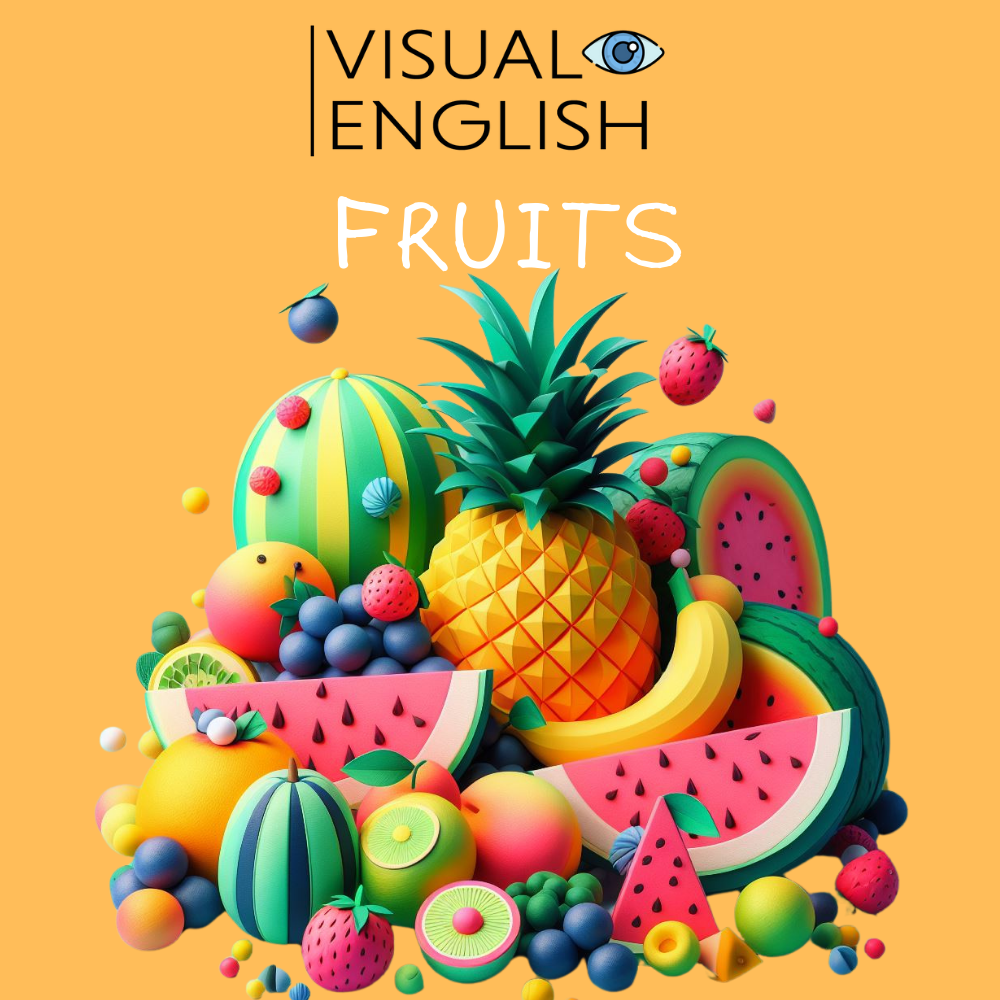
Fruit
This fruit ESL lesson teaches common fruit vocabulary and language for likes and dislikes. Students pass and name fruit, sing, mime actions and interview classmates with 'Do you like...?' They create a labelled paper fruit salad and roleplay buying fruit in a classroom shop.
7-day trial · Card required · €0 today · Cancel before renewal
Lesson format
2 × 45 minutes
Level
Beginner
Age group
Ages 6–9
Main focus
Speaking first
What students will learn
Lesson flow
Children pass a fruit toy around to music naming it when it stops, sing fruit songs miming peeling and eating, and drill flashcards with real fruit if available. The second lesson interviews three classmates asking 'Do you like strawberries?', makes a paper fruit-salad craft labelling favourites, and roleplays a class fruit shop ('Can I have an orange?' / 'Here you go.').
Target language
- • 'What's this?'
- • 'Do you like ___?'
- • 'I like / I don't like...'
- • Fruit vocabulary
Key vocabulary
- apple
- banana
- orange
- grape
- strawberry
- pear
- lemon
- mango
- pineapple
- watermelon
Speaking questions students answer
- • What's this?
- • Do you like bananas?
- • Do you like strawberries?
- • Can I have an orange?
- • What fruit do you see?
Recommended teaching contexts
Why this lesson works
The lesson follows a clear progression: Name fruits in a Pass the Fruit game, interview classmates about fruit preferences, make a paper fruit salad and roleplay a fruit shop. Teachers can open the materials and start immediately, while students move from supported vocabulary practice to purposeful spoken English.