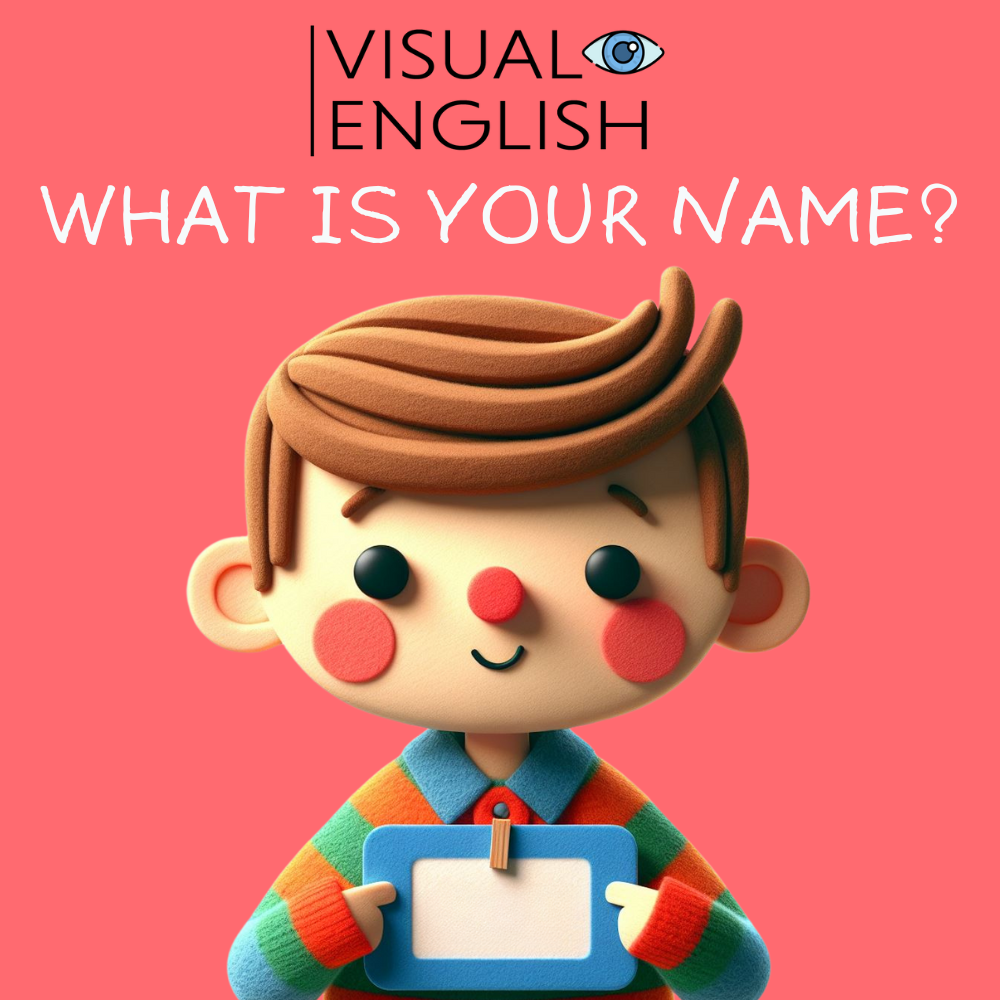
What's Your Name?
This introductions ESL lesson practises 'What's your name?' and 'My name is...' with preschool learners. Children sing, decorate a name tag and join a Name Train that gives everyone repeated speaking practice. They create paper-bag puppets and use them to introduce themselves and share something they like.
7-day trial · Card required · €0 today · Cancel before renewal
Lesson format
2 × 45 minutes
Level
Starter
Age group
Ages 4–6
Main focus
Speaking first
What students will learn
Lesson flow
Children sing a name song, then make and decorate a name tag while practising 'Hello! My name is ___,' building a 'name train' where each child adds their name to the line. The second lesson has children build a paper-bag puppet, introduce it in pairs ('What's your name?' / 'My name is Lulu!'), and share a circle story where puppets say their name and something they like.
Target language
- • 'What's your name?'
- • 'My name is...'
- • 'Hello!'
- • Simple present ('I like...')
Key vocabulary
- name
- I am
- my name is
- nice to meet you
- introduce
- spell
- letter
Speaking questions students answer
- • What's your name?
- • What is your puppet's name?
- • Can you introduce yourself?
- • What do you like?
- • Who is this?
Recommended teaching contexts
Why this lesson works
The lesson follows a clear progression: Ask and answer 'What's your name?', make and decorate a name tag, introduce themselves through a puppet. Teachers can open the materials and start immediately, while students move from supported vocabulary practice to purposeful spoken English.