ESL Games and Activities for Virtual Classrooms
Table of contents(7 sections)ShowHide
Interactive YouTube Adventure Games
Did you know that you can play interactive games directly on YouTube? Most teachers think of YouTube as a platform for songs, listening activities, and educational videos. However, YouTube also hosts interactive "Choose Your Own Adventure" games where viewers make decisions that change the outcome of the story.
Instead of simply watching, students become active participants. They choose paths, solve problems, make survival decisions, and discover different endings. This makes interactive YouTube adventures one of the most engaging online ESL activities available.
Why They Work for Online ESL Lessons
Interactive YouTube adventures combine five elements that make language learning highly effective:
Visual Learning | Speaking Practice | Decision Making | High Engagement | Online Friendly
Students quickly become invested in the story and naturally begin discussing their choices. Teachers can pause the video and ask:
- What should we do?
- Why?
- What will happen next?
- Was that a good decision?
- What would you choose?
Example 1: Choose Your Own Adventure LEGO
A LEGO-themed interactive story where students make choices to guide the characters through the adventure.
 \n\n▶ Watch the LEGO adventure on YouTube
Language Practice
- Directions
- Predictions
- Problem Solving
- Giving Opinions
Discussion Questions
- Which path should we choose?
- What is behind that door?
- What will happen next?
- Is this the safest choice?
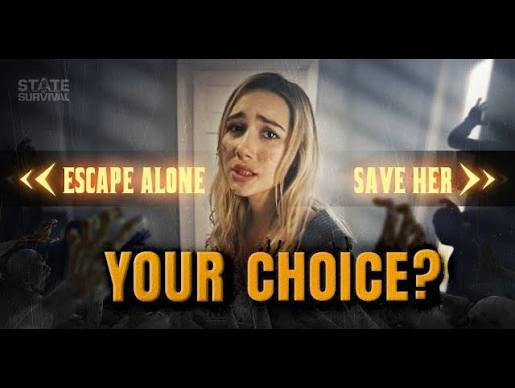
Example 2: Make Your Survival Choices — Zombie Apocalypse
Students must decide who survives, which items to take, where to go, and how to escape.
 \n\n▶ Watch the zombie survival adventure on YouTube
Language Practice
- Survival Vocabulary
- Persuasion
- Discussion
- Decision Making
Discussion Questions
- Who is most useful?
- Which item is essential?
- Do you agree?
- What would you do differently?
Example 3: Make a Pizza With Your Keyboard
A humorous interactive food adventure. Preview it first to confirm it suits your learners.
 \n\n▶ Watch Make a Pizza With Your Keyboard on YouTube
Language Practice
- Food Vocabulary
- Sequencing
- Preferences
- Instructions
Discussion Questions
- Which ingredient should we add?
- What happens if we choose this?
- What is your favourite pizza?
- Would you eat it?
Example 4: Annoying Orange — Fruit Your Own Adventure
Students influence the story through a series of funny choices. Preview the comedy and cartoon peril before using it with children.
 \n\n▶ Watch Fruit Your Own Adventure on YouTube
Language Practice
- Storytelling
- Character Descriptions
- Predictions
- Cause and Effect
Discussion Questions
- Which option should we choose?
- Why did that happen?
- What happens next?
- Was that the best decision?
Why Adventure Games Keep Students Engaged
Instead of passively watching a video, students become active participants:
Predicting | Discussing | Voting | Problem-Solving | Speaking
The result is exactly what every online teacher wants: active participation and meaningful communication. This is why adventure-based games such as Lost in Play, Machinarium, Monkey GO Happy, and classroom survival games are so effective. Students stop focusing on the language itself and start focusing on the challenge, while naturally using English to communicate.
Explore 178 ready-made ESL units, teacher guides, games, videos, and classroom resources with Visual English. Explore Visual English →
Frequently asked questions
What is the best ESL game for online classes?
Picture-based speaking games are among the most effective because they work with all levels and age groups.
How long should online activities last?
Most activities should last between 5 and 15 minutes to maintain engagement.
Do virtual games work for adults?
Yes. Adults often enjoy interactive activities when they are relevant and purposeful.
Should online lessons focus on speaking?
Absolutely. Communication is the primary goal of language learning.
Are visuals important for online teaching?
Yes. Visuals improve attention, understanding, and participation.